Forget the Rumors: A Real Local’s Guide to Staying Safe in Marrakech

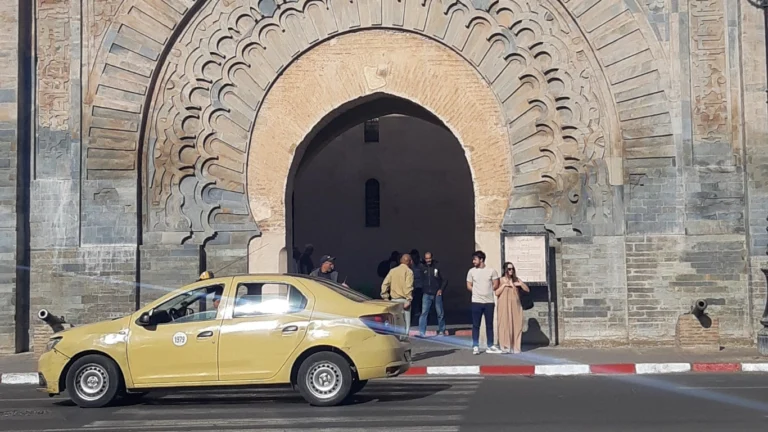
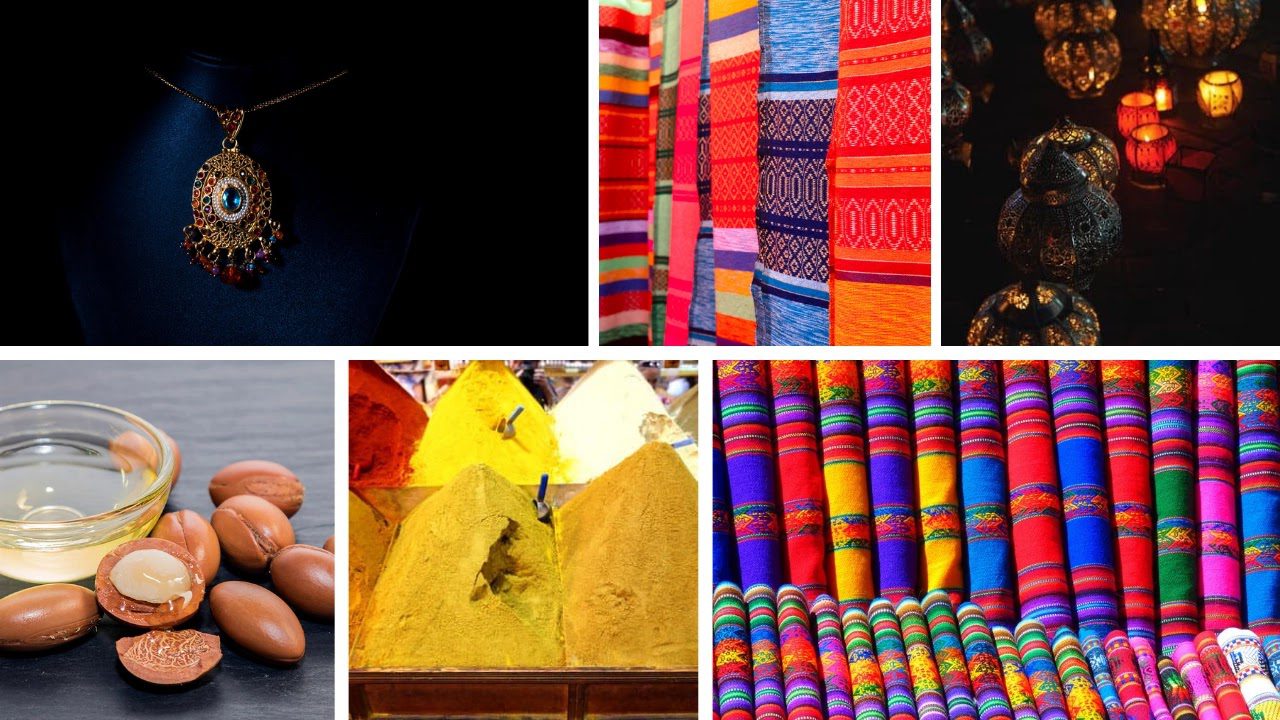
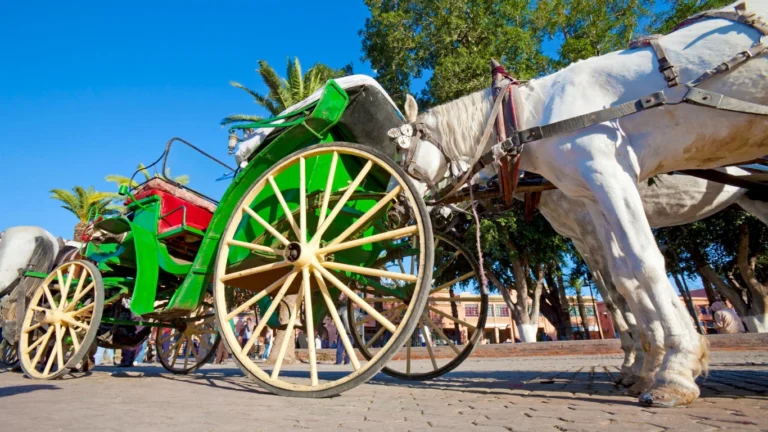
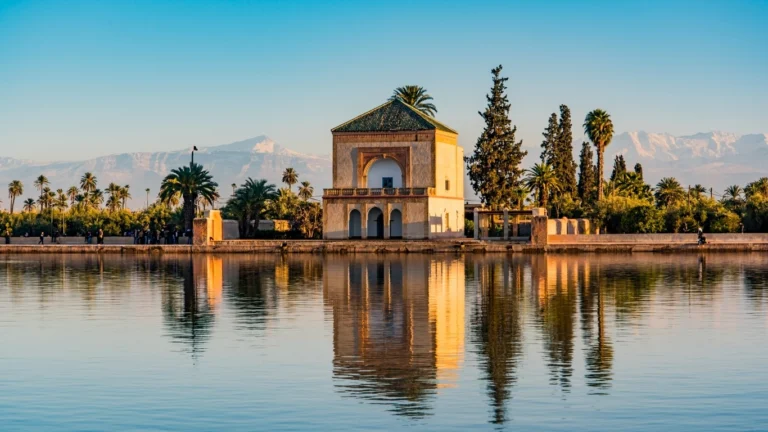
Marrakech is a city that captures the imagination like nowhere else. The vibrant colors of the Medina, the aromas of spices wafting through the air, and the historical grandeur of palaces make it a bucket-list destination.
However, because it is so bustling, intense, and culturally different from Western destinations, a crucial question always pops up: Is Marrakech safe for travelers?
The straight answer is yes, Marrakech is highly safe from violent crime. The Moroccan government heavily protects the tourism sector, and you will see a strong presence of both regular and tourist police (Brigade Touristique).
However, Marrakech is a city where petty crime, aggressive hustling, and complex scams are common.
To help you navigate the Red City with absolute confidence, this comprehensive guide breaks down everything you need to know about local scams, solo female travel, LGBTQ+ safety, nightlife, family travel, and health precautions.
The Anatomy of Marrakech Scams & How to Avoid Them
You do not need to look over your shoulder for violent muggings, but you absolutely need to keep your wits about you when dealing with street vendors and locals offering “free” help.
Here are the most prominent scams running in Marrakech today:
The “Fake Guide” or “Closed Road” Scam
This is the most common trick in the Medina. While walking toward a landmark (like the Ben Youssef Medersa or the tanneries), a young man or teenager will approach you casually and say, “That road is closed today for a festival,” or “The mosque is only open for locals right now.”
- How it works: They will offer to show you an “alternative route” or take you to a “secret viewpoint.” In reality, they are leading you deep into the labyrinth of the Medina to a specific carpet, herbalist, or spice shop where you will be subjected to high-pressure sales tactics. If you try to leave, they will aggressively demand a large tip (often €10 to €20) for their “guiding services.”
- The Defense: Never trust a stranger who tells you a street is closed. Use an offline map app like Maps.me or download Google Maps offline. If someone approaches you, say “No, thank you” or “La, Shukran” firmly, maintain eye contact, and keep walking.
The Jemaa el-Fnaa Performer Trap
Jemaa el-Fnaa square is the beating heart of Marrakech, but it is also ground zero for aggressive tourist traps.
- Henna Women: Women carrying henna kits will smile, grab your hand under the guise of friendship, and quickly paint a small “sample.” Once finished, they will demand an exorbitant price and cause a scene if you refuse.
- Animal Exploitation: Men with chained Barbary macaques (monkeys) or draped cobras will catch you off guard and place the animal on your shoulder or neck for a photo. The moment the animal touches you, they will demand heavy payment.
- The Defense: Keep your hands close to your body and politely decline any physical contact. If you genuinely want a henna tattoo, agree on the exact price before the cone touches your skin. If someone puts an animal on you, remove it calmly but firmly, do not take a photo, and walk away.
Pickpocketing
While violent theft is rare, pickpocketing does happen in crowded areas like the souks and Jemaa el-Fnaa. Keep your phone and wallet in your front pockets or use a cross-body bag.
Solo Female Travel & Navigating the Culture
Marrakech is a safe destination for women traveling alone, but it can be mentally exhausting due to the sheer volume of street attention.
Solo female travelers will encounter constant staring, catcalling, and persistent remarks from shopkeepers (“Beautiful princess,” “Where is your husband?” etc.).
While this behavior is almost never physically dangerous, navigating it requires a specific strategy:
Respecting the Local Dress Code
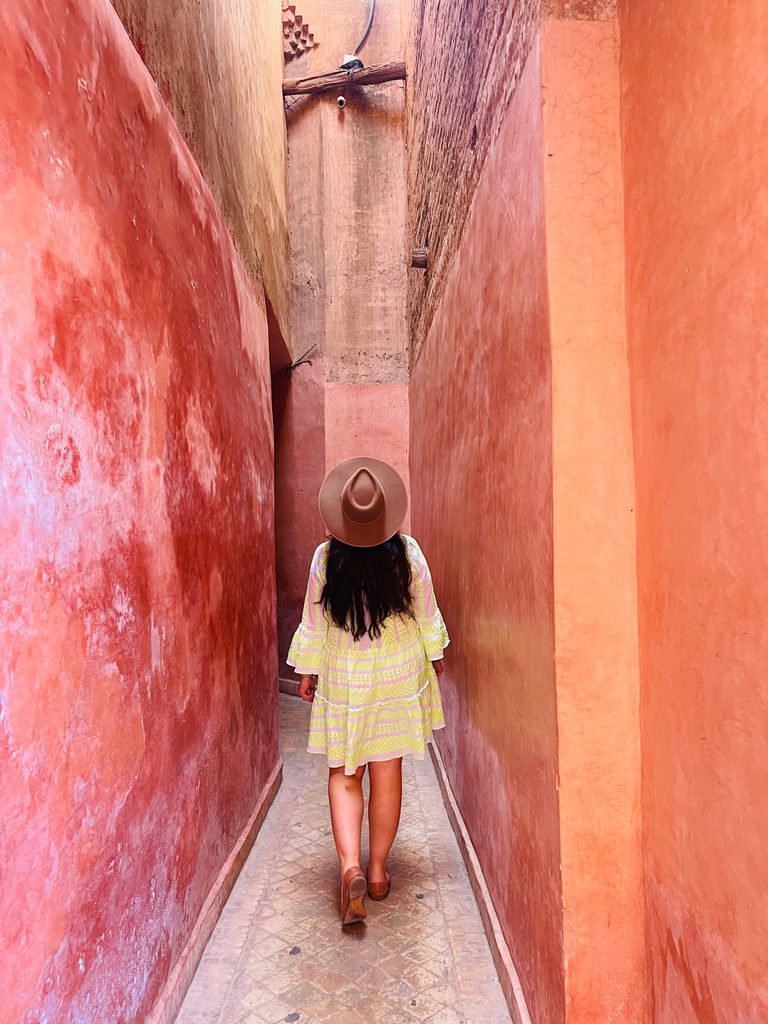
Morocco is a conservative, Muslim-majority country. While tourists can technically wear whatever they want, revealing clothes (short shorts, low-cut tops, mini-skirts) will trigger heavy staring and double the amount of street harassment.
- What to wear: To reduce unwanted attention by up to 70%, dress modestly. Loose, light, and breathable fabrics are your best friend. Opt for maxi dresses, linen trousers, and shirts that cover your shoulders and knees. Carrying a light scarf in your bag is also a great way to cover up quickly if you feel uncomfortable.
The Art of the Cold Shoulder
Moroccan street hustlers interpret politeness, smiling, and prolonged eye contact as an invitation to keep talking or following you.
- The Strategy: Wear sunglasses to avoid eye contact. If someone calls out to you, ignore them completely. Do not smile, do not say sorry, just keep walking with your head held high like you know exactly where you are going.
- The Emergency Word: If a scammer or harasser becomes intensely persistent and won’t leave you alone, look them in the eye and say loudly and clearly: “Hshouma!” (pronounced H-shoo-ma, meaning “Shame on you!”). This word carries heavy cultural weight. It immediately alerts nearby shopkeepers and elders, who will step in to publicly scold the harasser on your behalf.
LGBTQ+ Travel: Understanding the Law vs. The Reality
When researching Morocco, LGBTQ+ travelers are often alarmed to find that same-sex intimacy is illegal under Article 489 of the Moroccan Penal Code, carrying potential prison sentences.
However, the reality on the ground for international tourists is completely different from how the law applies to locals.
Privacy is Respected
The Moroccan authorities and hospitality staff have a strict policy of non-interference when it comes to foreign tourists.
Tourism is vital to the economy, and your privacy inside your accommodation is respected.
- Riads and Hotels: Whether you are booking a luxury resort in the Hivernage district or a traditional Riad inside the old Medina, booking a room with a single double bed for a same-sex couple is completely normalized. Front desk staff will check you in without a single question or awkward look.
The Universal Rule: No PDA
The golden rule for safety in Marrakech—for all couples, whether heterosexual or LGBTQ+—is the absolute avoidance of Public Displays of Affection (PDA).
- Moroccan culture considers kissing, hugging, or heavy touching in public to be highly inappropriate and disrespectful, regardless of gender. As long as you keep your romantic life private within your hotel walls and act as friends or companions while walking the streets, you will face absolutely zero safety issues.
- A Safety Warning: Avoid using location-based dating apps (like Grindr) while in the city. Occasionally, local scammers create fake profiles to target, lure, and financially extort or blackmail gay tourists.
Family Travel: Is Marrakech Safe for Kids?
Morocco is a deeply family-oriented and child-loving society. In Moroccan culture, children are viewed as a blessing, and you will quickly notice that locals, from restaurant staff to shopkeepers, go out of their way to make families feel incredibly welcome.
Violent crime against families is practically non-existent. However, traveling with children in Marrakech requires a few tactical adjustments to keep the trip stress-free and smooth.
Navigating the Medina Crowds with Children
The intense energy of the Medina can be overwhelming for smaller children.
- Ditch the Large Strollers: The narrow, unpaved, and bumpy alleys of the souks are not friendly to large, heavy strollers. Instead, use a high-quality baby carrier or a compact, lightweight umbrella stroller. A carrier also keeps your child elevated away from the exhaust fumes of passing mopeds.
- The “Far Right” Walking Rule: When walking through the souks with children, always keep them on the far right side of the street, with an adult walking on their left to shield them from the constant flow of motorbikes and handcarts.
- Beat the Rush: Head out into the Medina early in the morning (around 8:30 AM to 10:00 AM). The shops are just opening, the streets are much quieter, and it is vastly easier to navigate with kids before the heavy afternoon crowds arrive.
Food, Milk, and Health for Little Ones
- Jemaa el-Fnaa Food Caution: While adults can experiment with the open-air food stalls in the main square, it is highly recommended to avoid feeding young children from these stalls. Their digestive systems are much more sensitive. Opt instead for established restaurants with solid reviews.
- Familiar Foods & Logistics: Moroccan cuisine is generally kid-friendly—couscous, mild chicken tagines, and fresh Moroccan bread (Khobz) are usually hits with picky eaters. If you need baby formula, diapers, or basic pediatric medications, you don’t need to overpack; pharmacies in modern districts like Gueliz are fully stocked with international brands.
Accommodation and Transport Safety
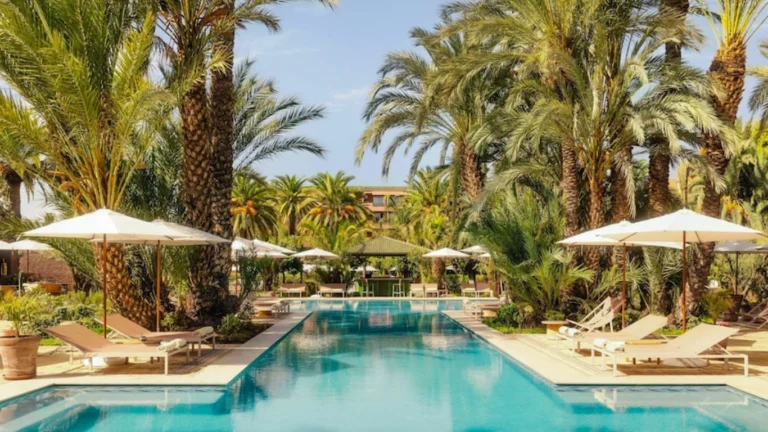
- Riad vs. Hotel: Many traditional Riads inside the Medina have steep open staircases, deep plunge pools without fences, and echoey courtyards that may not be ideal for toddlers. For families with young kids, booking a larger hotel or resort in Gueliz, Hivernage, or the Palmeraie is often a safer and more relaxing choice, as they offer spacious grounds, fenced pools, and child-friendly amenities.
- Car Seats: Car seats are not legally mandated or widely available in standard Moroccan taxis. If car safety is a major priority for your family, it is best to book your airport transfers and day trips through a licensed, private tour company in advance and explicitly request a vehicle equipped with child car seats.
Day vs. Night: Staying Safe in the Souks and neighborhoods
Marrakech’s safety dynamics change drastically depending on the time of day and the neighborhood you are exploring.
Exploring the Souks (Daytime)
The winding market alleys are highly policed and safe from major crime. Your only real hazards here are:
- Pickpockets: In tightly packed alleys, keep your backpack on your front, secure your zippers, and don’t keep your phone in your back pocket.
- Motorbikes: Local youth ride mopeds through the narrow pedestrian souks at high speeds. Always stay to the right side of the alley and listen for the sound of an engine behind you.
Walking at Night: Medina vs. Gueliz
- Gueliz and Hivernage (The New City): These modern neighborhoods feature wide, well-lit boulevards, Western restaurants, bars, and nightclubs. They are heavily patrolled by police and are exceptionally safe to walk around late at night.
- The Old Medina: This is where you must exercise caution. Around 10:00 PM, the shopkeepers close their heavy iron shutters, the lights go out, and the bustling souks turn into dark, empty, and quiet concrete tunnels. It is very easy to get lost, and phone signals can drop. Avoid walking deep into the unlit alleys of the Medina alone late at night. If your Riad is deep inside the maze, take a licensed taxi to the nearest accessible gate (Bab) or square, and walk directly back. Better yet, contact your Riad ahead of time; most hosts are happy to send a staff member to meet your taxi and walk you safely to the door.
Health, Food Safety, and the Moroccan Tap Water
Nothing ruins a travel itinerary faster than severe food poisoning or dehydration. Protecting your physical health in Marrakech is straightforward if you stick to a few basic rules:
The Tap Water Rule
- Never drink tap water. While the municipal water in Marrakech is treated and perfectly fine for locals, it contains a different bacterial profile than what Western digestive systems are used to. Drinking it will almost certainly cause stomach cramps and diarrhea.
- The Fix: Stick strictly to bottled water, which is cheap and available at every corner store. Ensure the plastic seal on the cap is unbroken before purchasing. Use bottled water to brush your teeth as well, and try to avoid ice cubes in budget establishments.
Conquering Street Food Safely
Marrakech offers some of the most spectacular street food in the world, from slow-roasted lamb (Mechoui) to spiced stews. You shouldn’t avoid it, but you should choose wisely.
- Look for Crowds: Eat at stalls that are packed with local Moroccan families. High local turnover means the food is fresh, high quality, and hasn’t been sitting out under the sun. Avoid empty stalls where food looks like it has been pre-cooked and left on display. Always carry a small bottle of hand sanitizer.
Conclusion: Keep Your Wits and Embrace the Magic
So, is Marrakech safe? Yes, absolutely. It is a city that requires a thick skin, a confident stride, and a basic understanding of cultural boundaries.
It can feel completely overwhelming during your first 24 hours on the ground, but once you learn to brush off the aggressive street vendors and navigate the ancient alleys with a bit of local know-how, you will realize that Marrakech is a deeply magical, warm, and welcoming destination.
Pack your modest linen clothing, keep your offline maps ready, and get ready to experience one of the most mesmerizing cities on earth!
Emergency Contacts to Keep on Your Phone:
- Police (General City Line): 19
- Tourist Police (Brigade Touristique): +212 (0) 524 38 46 01
- Ambulance & Fire Department: 15