12 Real‑Life Tips for Marrakech No Guidebook Tells You

Before we talk about dreamy riads, hammams and desert sunsets, let me be honest with you:
Marrakech is magical, but it’s also intense.
If you only follow generic “Top 10 Things to Do” lists, you’ll end up exhausted, overcharged, and wondering why everyone on Instagram looks happier than you.
This guide is different. These are the things I’ve learned from living and walking in Marrakech — the small details that can make your trip either unforgettable… or just uncomfortable.
Your taxi will not drop you at your riad door
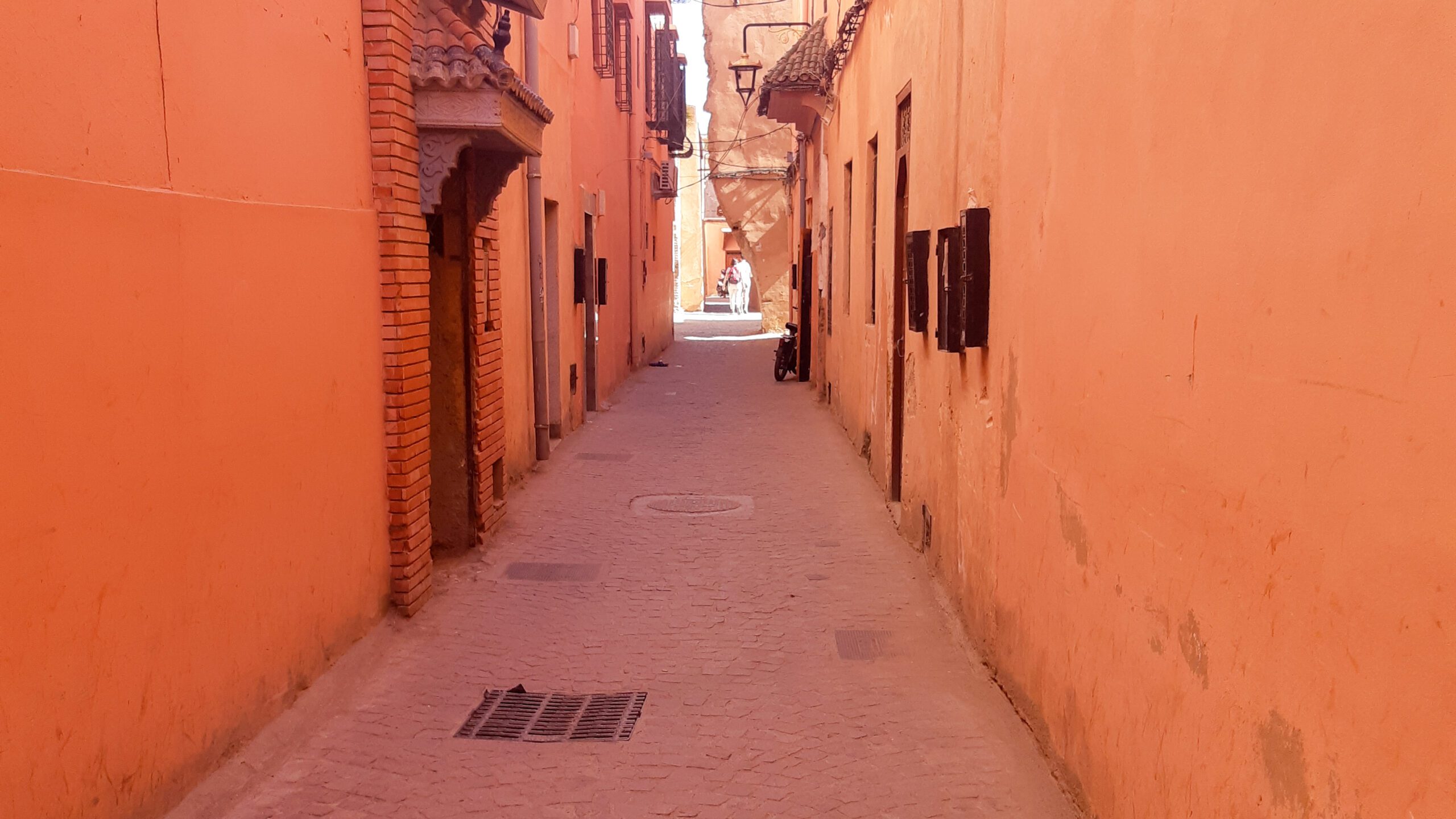
The old town (the medina) is basically car‑free: narrow alleys, scooters, carts and people everywhere. Taxis can only go as far as the main streets or big squares.
That means:
- Your taxi will stop at a main road (like near Jemaa el‑Fnaa), and from there you walk with your luggage through the alleys.
- Always message your riad before you arrive and ask for a meeting point on the main street and, if possible, someone to walk you in.
The sooner you accept that walking inside the medina is non‑negotiable, the more you’ll enjoy it.
Marrakech Made Easy: Save $100+ on your Marrakech trip!
Don’t rely on one pair of Birkenstocks
The medina ground is not friendly: dust, cobblestones, bumps, puddles near hammams and markets, and the occasional mysterious liquid.
- Bring at least one closed, comfortable pair of shoes or a sturdy sandal with a back strap (not flip‑flops).
- If you love your Birkenstocks, keep them for short strolls or hanging around the riad — not for a full day weaving through the souks.
You’ll easily walk 8–10 km a day without noticing. In Marrakech, your shoes matter more than your outfit.
Don’t chase your “dream restaurant” on night one
Trying to find the perfect rooftop on your first evening usually means:
- A long walk while you’re tired and hungry, dodging scooters and crowds.
- Discovering it’s fully booked or way above your budget.
My rule:
- On the first night, eat at the nearest decent place to your riad, even if it isn’t Instagram‑famous. Your goal is to land gently, not to tick off a bucket‑list restaurant.
- Once you’ve rested and understood your neighbourhood, then pick one special restaurant or rooftop and walk there on another night.
Remember my quick‑guide motto: “Chase everything, you’ll end up with nothing”
Plan one “just walking” day in the medina
The medina isn’t only a way to get from point A to B – it is the experience.
Give yourself one slow day like this:
- Morning: wander through the alleys with no big agenda except looking, listening, and taking photos.
- Late morning: sit in a café, order a mint tea or coffee, and literally do nothing except people‑watch.
- Afternoon: choose one sight only (a palace, a garden, or a small museum), visit it calmly, then stroll back to your riad.
The more you try to cram 10 attractions into one day, the faster Marrakech turns from magical to exhausting.
Don’t skip the traditional hammam (it’s not a luxury spa)
One of the most “Marrakech” things you can do is also one of the cheapest.
A traditional Moroccan hammam is simple:
- You cover your body with black soap.
- Sit in hot steam.
- Then scrub with a rough glove until dead skin rolls off like little grey noodles.
That’s it. No candles, no rose petals. Just clean, heavy relaxation for about a dollar and a half in local hammams.
We do this weekly in winter, and many locals are genuinely addicted to how light they feel afterward. Don’t miss it — just be ready for a real, local experience, not a polished spa brochure.
Moroccan Hammam for Beginners: Step-by-Step Guide (From a Local)
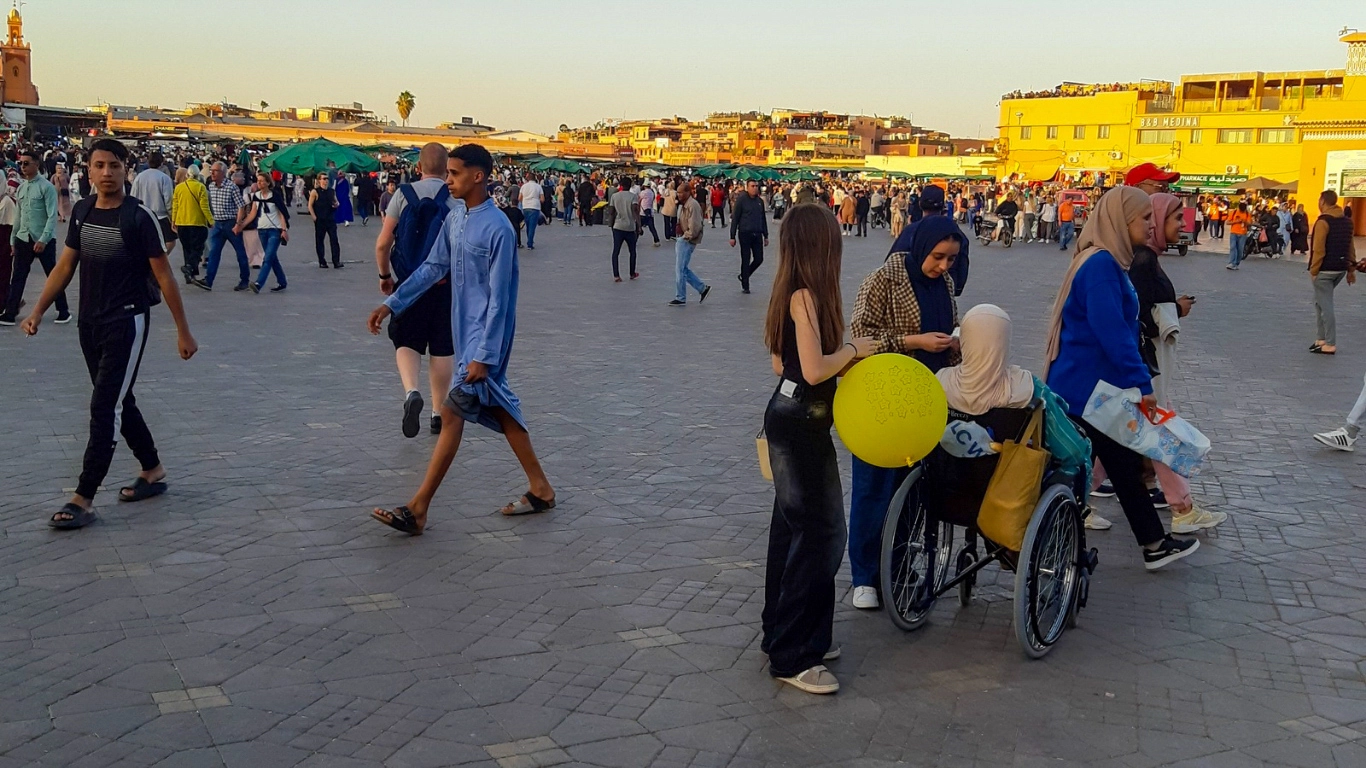
Know where your money goes in Jemaa el‑Fnaa
Jemaa el‑Fnaa is both dazzling and a masterclass in “legal robbery”.
- Many people there make their living from tourists and will happily test how high you’re willing to go.
- For souvenirs, taxis, henna, photos with monkeys/snakes, or any “little service”:
- Never accept a price before you hear it clearly.
- As a rule of thumb, try not to pay more than 70% of the first price — and even that might still be generous.
Enjoy the square, take it as a show, but keep your wallet and your common sense close.
Street food is not always as “romantic” as blogs say
I don’t fully agree with the typical “You must try all the street food in Jemaa el‑Fnaa, it’s amazing!” narrative.
- Some stalls are good, others are… just okay, and hygiene can be questionable.
- If you want to really taste how good Moroccan food is, look for restaurants with excellent reviews, not just the ones shouting the loudest.
Moroccan cuisine is fantastic. Give it a fair chance in places that actually care about flavour and cleanliness.
Remember: in Marrakech, cash is king
If you’re used to paying by card for everything, forget it.
- Most Moroccans use their bank cards just to withdraw cash.
- In souks, taxis, small cafés and many riads, cash is still the main player.
Always keep enough cash on you, especially small bills and coins, to avoid awkward situations — or being forced to buy “something extra” because “they don’t have change”.
Don’t buy from the first shop (especially if you look very touristy)
Any shop that spots you as a tourist — blond, blue‑eyed, or just clearly not local — will often switch straight into hustle mode.
A few truths most guides don’t tell you:
- Many “what to buy in Marrakech (with prices)” articles use inflated numbers.
- Moroccans rarely buy decorative tagines or tourist crafts for their own homes, so logically, prices should be low, not luxury‑level.
My advice:
- Use the first walk in the souk just to look, not to buy.
- Don’t accept the first price, and don’t be shy to walk away.
- As a rule, aim for 30–40% of the first offer and see where you land.
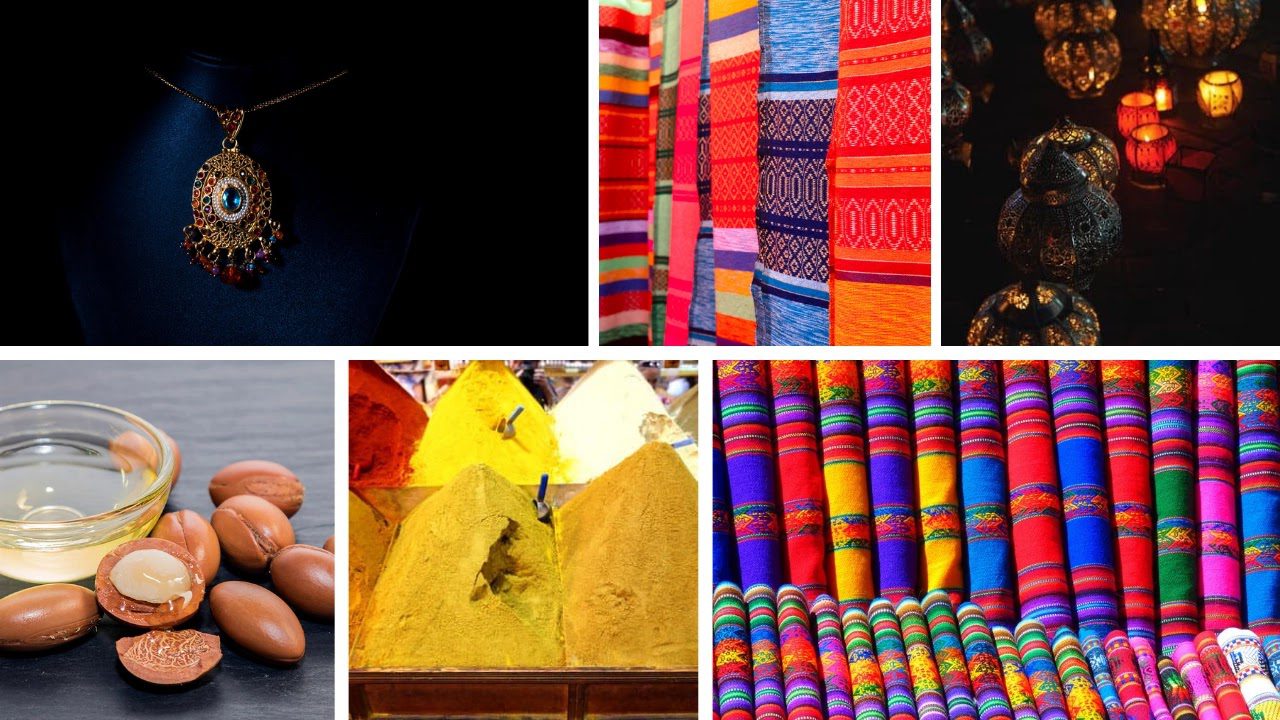
If you want a calmer experience for bigger items (carpets, pottery, textiles), you can also look for government‑linked artisan centres like (ensemble artisanal) where prices are fixed and haggling is minimal.
The best part of Marrakech is often away from the big sights
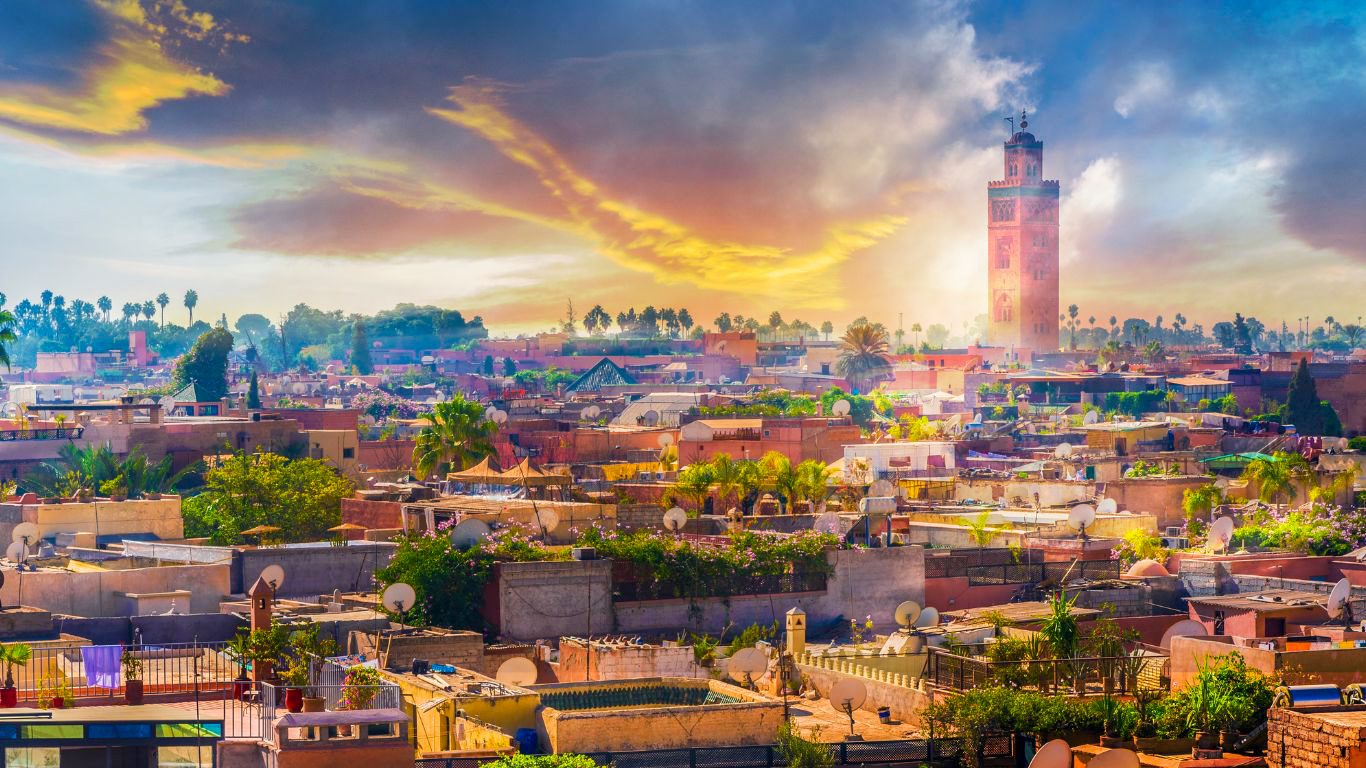
Everyone knows the main names: Jemaa el‑Fnaa, Koutoubia, Bahia Palace…
But the real magic is often here:
- Quiet side alleys where you suddenly find peace after the chaos.
- Small streets that smell of rosewater or spices outside tiny shops.
- Simple corners where kids play football and neighbours chat.
Make time to get “lost on purpose” in the medina — while still keeping Google Maps in your pocket for when you want to go back.
And don’t forget the areas outside the old walls: Majorelle Garden, the palm groves, the Atlas foothills, nearby resorts… Marrakech isn’t only a postcard of “old Morocco”; it’s a full, living city.
Respect the red lines: mosques and religious sites
One important cultural point:
- In Morocco, non‑Muslims are not allowed inside mosques and religious sanctuaries, including famous ones like Koutoubia.
So don’t build your itinerary around “visiting the inside” of mosques.
Enjoy their architecture from the outside, take your photos, and avoid awkward moments at the door.
The exception, if you pass through Casablanca, is Hassan II Mosque — that one offers guided visits.
Take weather warnings seriously
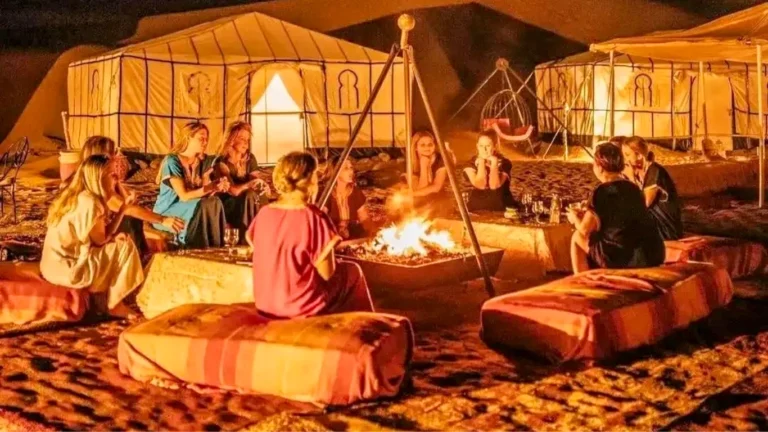
Summer in Marrakech is brutal — even for locals with “brown skin and experience”. Temperatures can feel like an oven, and some visitors still decide to take sand baths in the desert in August.
If you hate extreme heat:
- Avoid peak summer or at least avoid planning intense walking days and long desert trips at that time.
- Spring and autumn are much kinder on your body and your mood.
Sometimes the best “tip” is simply: choose your dates wisely.
Final thought: Marrakech rewards the curious wanderer, not the checklist hunter
If you remember one thing from all this, let it be this:
Pack light. Wear real shoes. Keep some cash. Say no when the price feels wrong.
Give yourself time to walk slowly, get lost a little, and then find your favourite corner.
Do that, and Marrakech stops being a stressful maze and becomes what it truly is:
a loud, beautiful, perfectly imperfect city that you’ll remember long after your plane takes off.